

Introduction
Contemporary cultured stone, also known as manufactured stone or faux stone, has become a popular choice for homeowners, builders, and designers looking to achieve the look of natural stone at a more affordable price. This versatile building material has evolved over the years, offering a wide range of styles, colors, and textures that can mimic the appearance of various types of natural stone. In this comprehensive guide, we will explore the history, manufacturing process, applications, benefits, and trends of contemporary cultured stone.
History of Cultured Stone
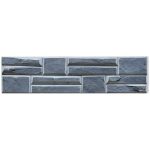
The concept of cultured stone dates back to the early 20th century when builders and architects began experimenting with alternative materials to natural stone. The development of concrete technology in the mid-20th century paved the way for the creation of manufactured stone products that could replicate the look and feel of natural stone. In the 1960s, the first commercially available cultured stone products were introduced to the market, offering a cost-effective and lightweight alternative to traditional stone masonry.
Manufacturing Process
Contemporary cultured stone is typically made from a mixture of Portland cement, lightweight aggregates, iron oxide pigments, and other additives to achieve the desired color and texture. The manufacturing process involves pouring the concrete mixture into molds that are designed to replicate the shape and texture of natural stone. Once the concrete has cured, the molds are removed, and the finished stone veneer s are ready for installation.
Applications of Cultured Stone
Contemporary cultured stone can be used in a wide range of applications, both interior and exterior. Exterior applications include siding, accent walls, columns, and chimneys, while interior applications include fireplace surrounds, kitchen backsplashes, and accent walls. Cultured stone can also be used to create architectural details such as window surrounds, door trim, and cornices, adding a touch of elegance and sophistication to any space.
Benefits of Cultured Stone
There are several benefits to choosing contemporary cultured stone over natural stone for your building or remodeling projects. One of the main advantages is cost savings, as cultured stone is typically more affordable than natural stone due to lower production and transportation costs. Additionally, cultured stone is lightweight, making it easier to handle and install, which can reduce labor costs and construction time. Cultured stone is also highly durable and low maintenance, requiring minimal upkeep compared to natural stone.
Trends in Cultured Stone
As the demand for contemporary cultured stone continues to grow, manufacturers are constantly innovating to offer new styles and designs that meet the evolving needs of consumers. One of the latest trends in cultured stone is the use of advanced manufacturing techniques to create more realistic textures and colors that closely mimic the natural variations found in real stone. Additionally, there is a growing interest in eco-friendly cultured stone products that use recycled materials and sustainable manufacturing practices.
Conclusion
Contemporary cultured stone has come a long way since its inception, offering a cost-effective and versatile alternative to natural stone for a wide range of building and design applications. With its durability, ease of installation, and endless design possibilities, cultured stone has become a popular choice for homeowners, builders, and designers looking to achieve the look of natural stone without breaking the bank. As technology continues to advance, we can expect to see even more innovative and sustainable cultured stone products entering the market, further expanding the possibilities for creating beautiful and timeless spaces.